HarryBalzack
| Favorite team: | |
| Location: | |
| Biography: | Boo! |
| Interests: | |
| Occupation: | Hyer Edjukashun |
| Number of Posts: | 16437 |
| Registered on: | 10/30/2012 |
| Online Status: | Not Online |
Recent Posts
Message
re: Classless Kirby
Posted by HarryBalzack on 10/12/26 at 11:53 am to DawgsLife
quote:I'm not so bent up about it that I'm writing my legislators and getting them to change the law, if that's what you're asking.
So your argument is, "Shut up and take it?"
You won the game, no need to crawl up on a cross.

 1
1
re: Classless Kirby
Posted by HarryBalzack on 10/12/26 at 10:28 am to AlaCowboy46
The PA announcer said to stop. Weak, but that's about all they could do at that moment.
At egress, the cops and stadium security all switch to monitoring the exit and much of that is dictated by homeland security. 100, 000 people wandering out of a stadium all at once is an inviting target for nut jobs, after all.
UA will be going through video of it, but unless they're students the best they can do is trespass the offenders, as the only real charge would be misdemeanor assault, which would require an UGA player who was injured to come swear a complaint, or disorderly conduct, which requires that it witnessed by an officer.
At egress, the cops and stadium security all switch to monitoring the exit and much of that is dictated by homeland security. 100, 000 people wandering out of a stadium all at once is an inviting target for nut jobs, after all.
UA will be going through video of it, but unless they're students the best they can do is trespass the offenders, as the only real charge would be misdemeanor assault, which would require an UGA player who was injured to come swear a complaint, or disorderly conduct, which requires that it witnessed by an officer.
re: Updated odds to win SEC
Posted by HarryBalzack on 10/12/26 at 10:18 am to dallastiger55
UGA's advantage last Saturday was their seasoned QB.
If Russell continues to mature through the remaining games the way he has thus far, a rematch in Atlanta could end very ugly for UGA.
That's a lot of ifs and buts between now and then, though.
If Russell continues to mature through the remaining games the way he has thus far, a rematch in Atlanta could end very ugly for UGA.
That's a lot of ifs and buts between now and then, though.
re: Anyone on the ground in TTown? What’s the weather like?
Posted by HarryBalzack on 10/10/26 at 6:27 pm to JCinBAMA
That soil is a special blend of sand, clay, etc., created to drain more effectively and resist compaction.
Not saying how it happened, but about four dump truck loads of the soil that was there before they put that in (same for both) ended up at my house. Bermuda and zoysia grass love that stuff...
Not saying how it happened, but about four dump truck loads of the soil that was there before they put that in (same for both) ended up at my house. Bermuda and zoysia grass love that stuff...
re: Why would a man marry a divorcee with kids?
Posted by HarryBalzack on 10/10/26 at 3:18 pm to Houston problem
I think every situation is different.

re: More details emerge on "Cornell 7" .. Her Initial 6 page Police Report now released (p19)
Posted by HarryBalzack on 10/10/26 at 2:56 pm to NC_Tigah
Well, that clears up the entire situation.
re: Game Thread
Posted by HarryBalzack on 10/10/26 at 1:29 pm to finchmeister08
Sorry for partying man.
re: Anyone on the ground in TTown? What’s the weather like?
Posted by HarryBalzack on 10/10/26 at 1:28 pm to SquatchDawg
Currently 64 with a 7 mph breeze. Overcast, slight drizzle
re: "Saban" documentary has locker room footage of Saban telling Hurts he's benched in NCG
Posted by HarryBalzack on 10/8/26 at 10:37 pm to AlterDWI
Of course CNS doesn't shite or frick and not get that on film for later study.

re: I met Phillip Fulmer today while out hiking
Posted by HarryBalzack on 10/8/26 at 10:36 pm to Shamoan
I hated him as the 10rc coach and I still believe he was just as dirty as DuBose, but I worked at the college radio station back then and he took our request for an interview. It was going to air as a pre-recorded deal so on Thursday afternoon of Bama-10rc week there we sat, at my apartment, behind Tutwiler, talking on the phone to Phil Fulmer. It was a short call, but still cool and he was nice. We had Chris Fowler on before he was big and was a total dick. Brando is a douche broadcaster but he was really nice too.
No other coach honored the media request. Not even our own.
No other coach honored the media request. Not even our own.
re: Kirk Herbstreit: "I really love Peter."
Posted by HarryBalzack on 10/4/26 at 10:02 am to FlaTiger25
Couldn't stand that fricker even before he exposed his vag on national TV. Hate when he and Fouler call games with their whinny midwest accents and made up words.

re: CFB Viewership down 11% from last season..
Posted by HarryBalzack on 10/2/26 at 10:29 pm to RAB
With 23yo players.
re: Aggies no longer the only Corps of Cadets in the SEC
Posted by HarryBalzack on 10/1/26 at 10:03 am to Buster83
quote:Why did the kid continue pledging after they stuck a fishing spear through his leg? Seems like that's a sign this isn't where you want to be.
A hazing incident at UTrans last year killed a kid.
Hazing death at UTrans
re: Hard to believe these are the only undefeated teams left.
Posted by HarryBalzack on 10/1/26 at 9:09 am to Ben Rumson
Theirs, of course.
re: Aggies no longer the only Corps of Cadets in the SEC
Posted by HarryBalzack on 10/1/26 at 9:07 am to lowhound
Notice Hillsdale College and Liberty University slipped in there between the real schools...
How does Hillsdale square funding for an ROTC program with their pledge not to take money from the "evil" federal government? Will they continue this when the national leadership inevitably changes?
How does Hillsdale square funding for an ROTC program with their pledge not to take money from the "evil" federal government? Will they continue this when the national leadership inevitably changes?
re: A 24 team playoff will be horrible.
Posted by HarryBalzack on 9/30/26 at 7:11 pm to Uga Alum
What's to be gained by all of this?
The only way any team below the top 8 is going to win the playoffs is if they have some game-changing quarterback who comes back from injury in time to make a run. This is all just so more watered down shite from the Bi10, Big12EastAmMountain whatever can be in the playoffs.
The only way any team below the top 8 is going to win the playoffs is if they have some game-changing quarterback who comes back from injury in time to make a run. This is all just so more watered down shite from the Bi10, Big12EastAmMountain whatever can be in the playoffs.
re: Was Auburn firing Malzahn the dumbest coaching decision in SEC football history?
Posted by HarryBalzack on 9/30/26 at 7:05 pm to DomesticatedBoar
Auburn and dumb go together like mac and cheese.
re: viles to open stadium 3 hrs before kickoff, offering cheaper beer and food
Posted by HarryBalzack on 9/30/26 at 6:46 pm to Griffindawg
quote:If they sold Franzia, it would indeed be a sight to behold.
What in the hell would you do in a stadium for three hours before the game?
re: viles to open stadium 3 hrs before kickoff, offering cheaper beer and food
Posted by HarryBalzack on 9/30/26 at 6:39 pm to Night Vision
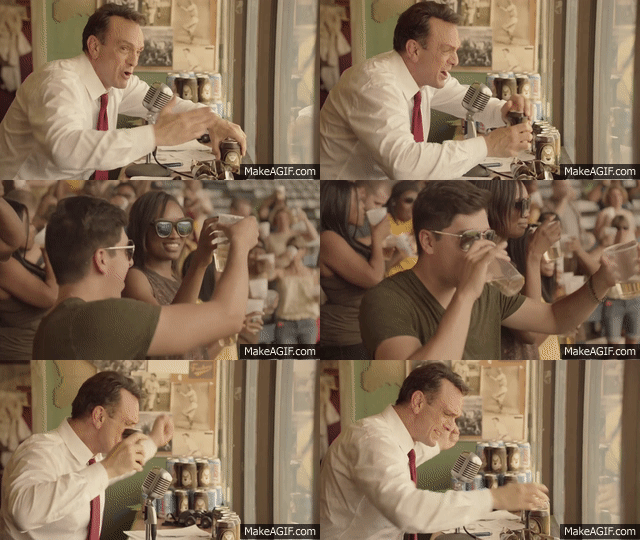
Sounds like that Brockmire episode with dollar beers.
re: Coonass corn dogs why does your brando hate us so much?
Posted by HarryBalzack on 9/30/26 at 6:14 pm to OliverQueen81
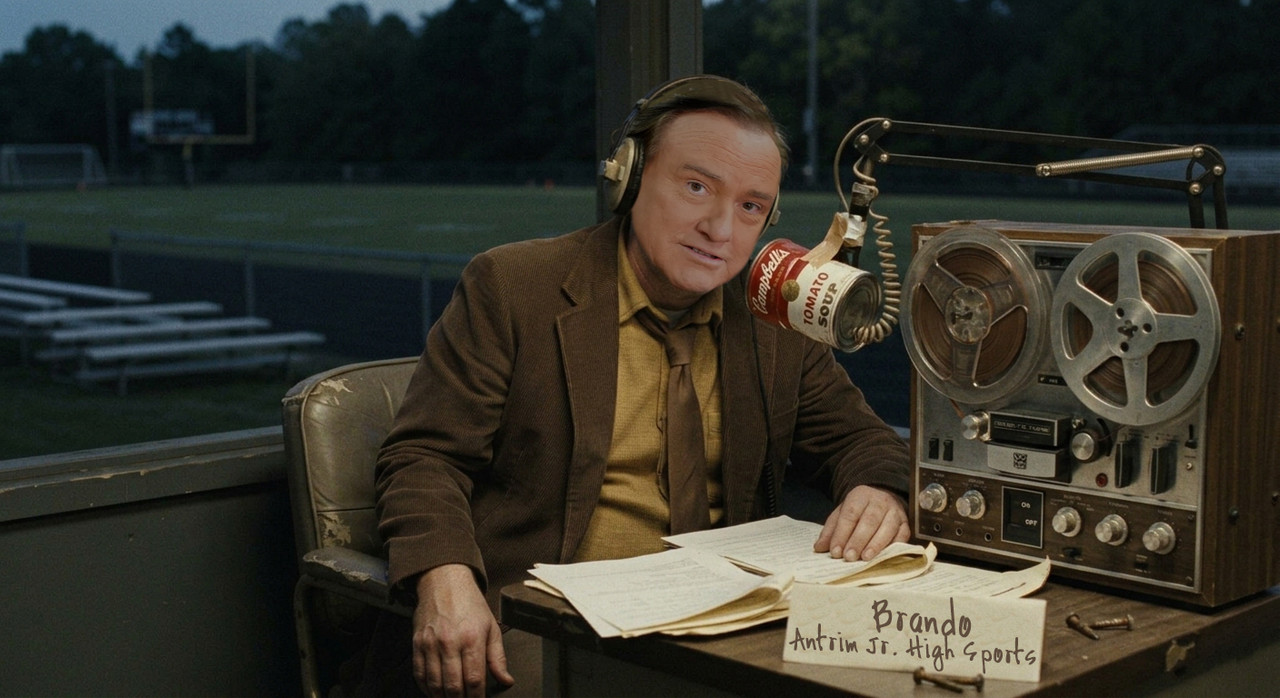
Tim Brando is irrelevant.
re: SEC Passing Leaders
Posted by HarryBalzack on 9/29/26 at 11:04 am to Night Vision
That's a lot of INTs.
Popular
 32
32